October 10, 2025
Adventures in the Swiss Mountains — Part 1
7 Summers in the Swiss Alps: Surrounded by Beauty
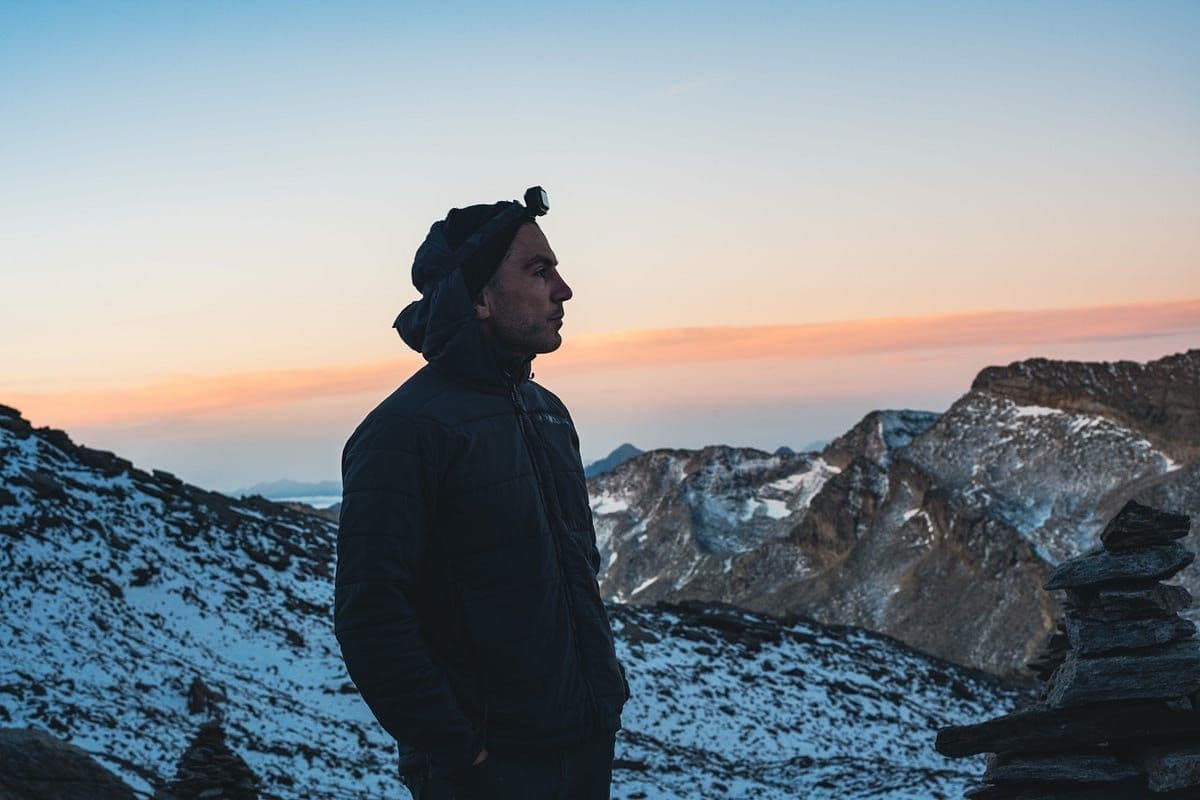
2021 Cresta Bivaco
I moved to Switzerland in 2017 for work, but one of the main reasons I decided to make the move was knowing that Switzerland has an abundance of beautiful lakes and mountains, making it the perfect place to practice one of my favourite hobbies: Hiking!
Since 2017, I have completed multiple hikes, and I’ll share some of them with you here. But first, some context.
- I’m not a mountaineer. While I’ve done some challenging hikes, I’ve always aimed for routes that don’t require climbing equipment. More on that later
- I prefer isolated hikes where I’m not going to see people every few minutes, so I often avoid popular trails and choose more remote options when possible.
Swiss hikes are graded based on difficulty, from T1 to T6. The hikes I’ll share are usually between T3 and T4 — what does that mean?
Swiss Alpine Grading System Overview Keep these gradings in mind, and when you’re unsure, don’t push it. I’ve done some T4 hikes where I was really at the limit of what I felt comfortable with.
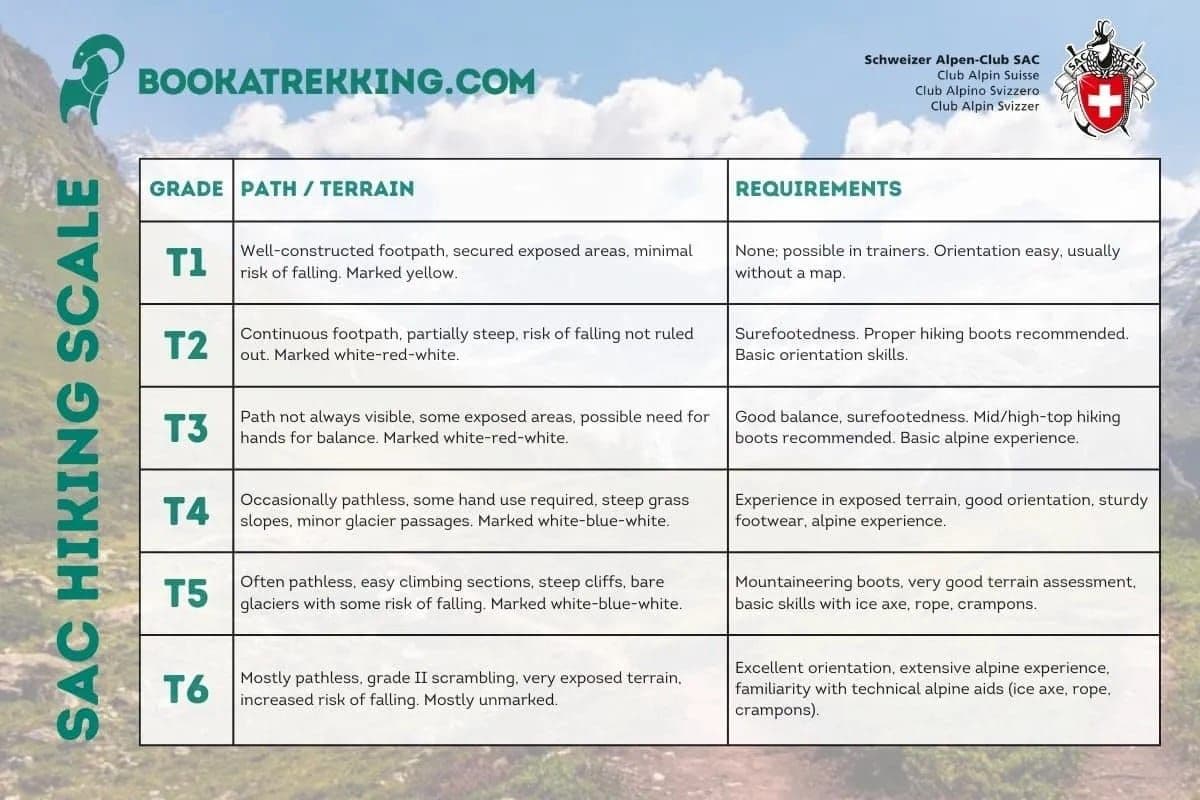
Swiss Alpine Grading system overview
- Always let someone know where you’re going.
- CHECK THE WEATHER REGULARLY! Swiss Meteo offers a great mobile app — it’s my go-to before and during hikes.
- Bring a friend or a few friends with you :)
SAC Portal
Hands down, the best place to find hikes, huts, and up-to-date information about route conditions. With the right filters, you’ll easily find what you’re looking for — grade, ascent, and region are the ones I use the most when planning my hikes.
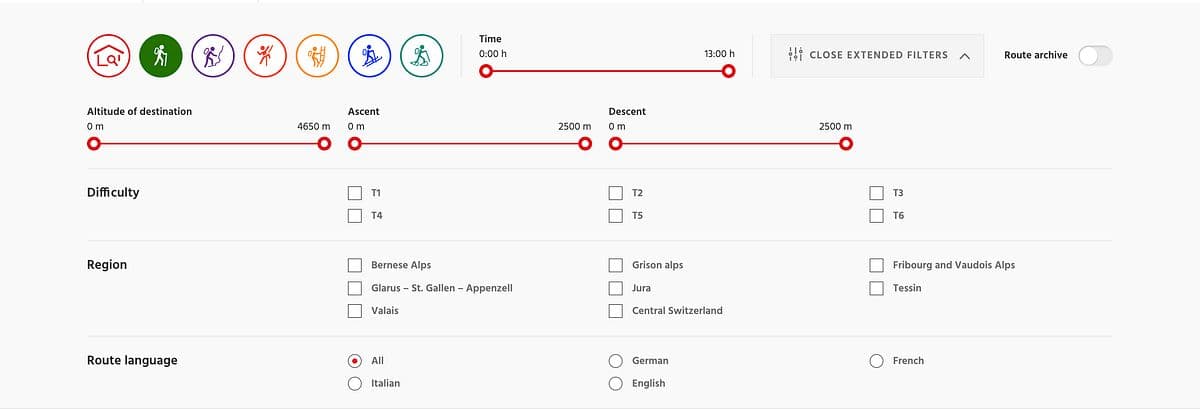
The SAC portal is an excellent way to find hikes that match your level.
With that said, here are some of my favourite hikes.
The Hikes
Bluemlisalp Hut A Swiss classic — and my first big hike. It’s definitely on the more demanding side, and the weather can change quickly (have I made that clear yet?).
I recommend staying in the hut overnight to get the full experience. On the way down, head toward the beautiful Oeschinensee and, depending on the weather, take a refreshing dip in the lake.
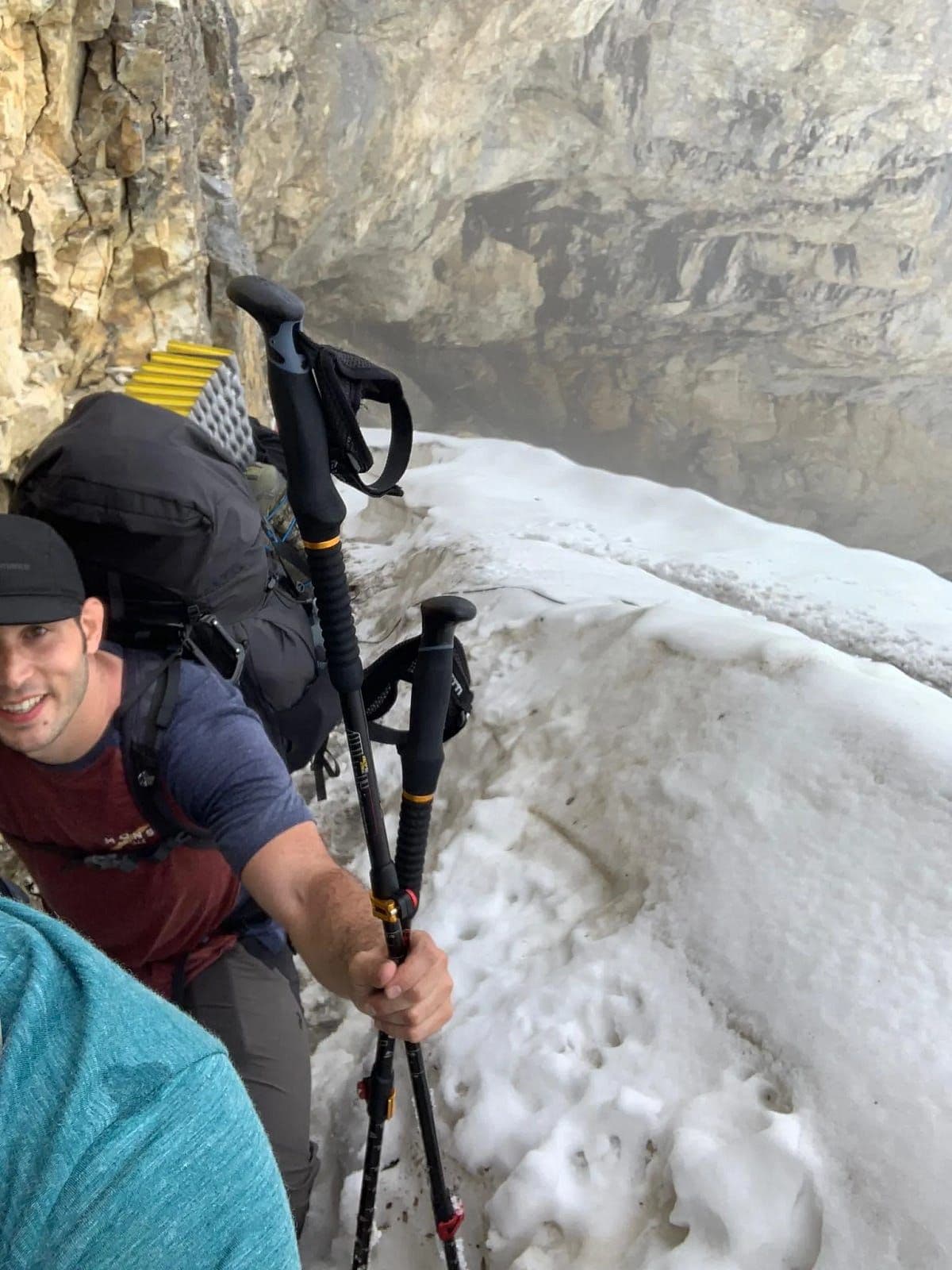
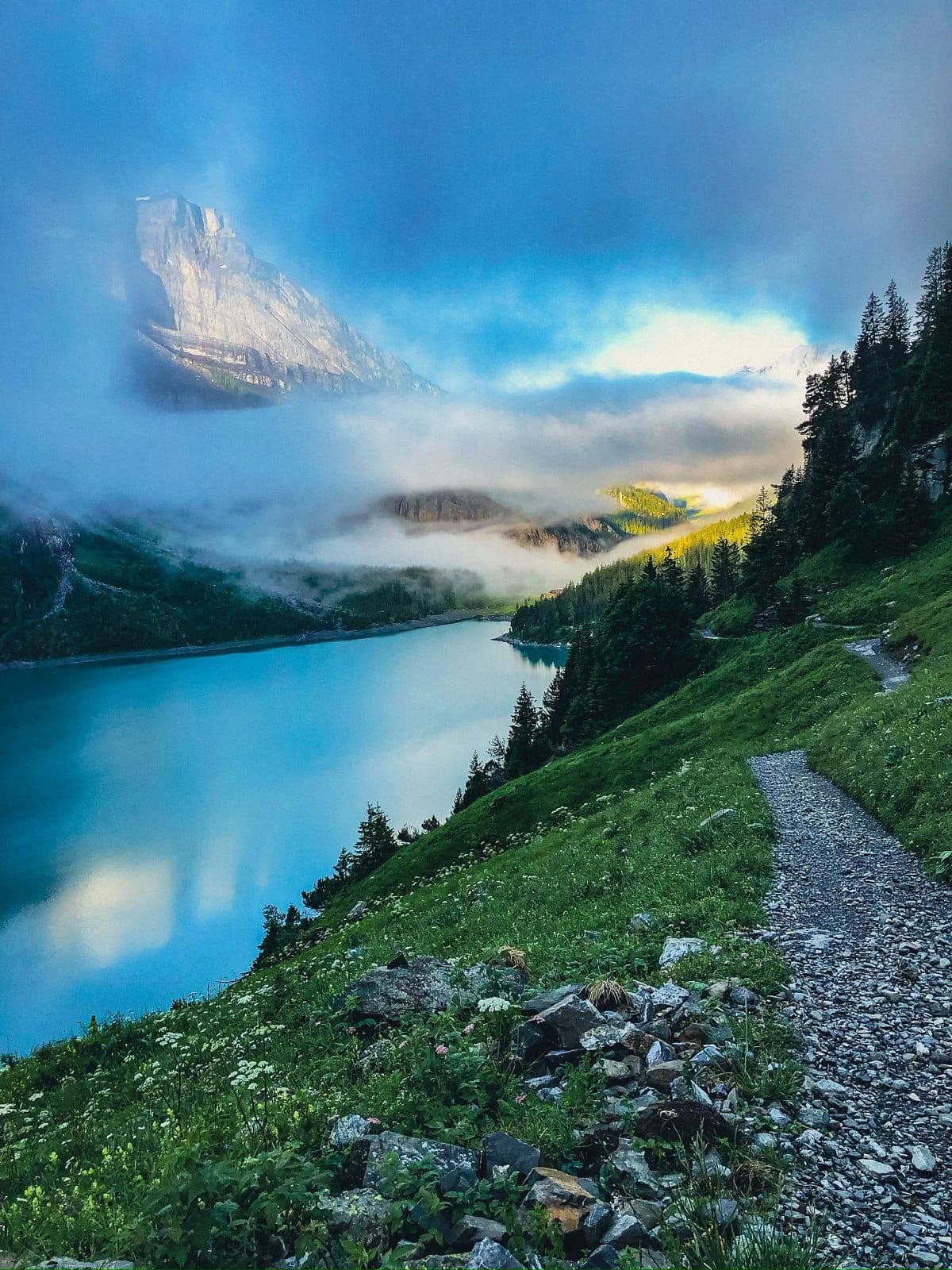
Fun fact — I’ve swum in the lake in July and ice-fished there in February. It’s amazing to see it completely frozen over. I also camped near here. You can read more about that adventure in my Via Alpina post

You have a few different approaches to reach it.
Cresta-Biwak SAC This was my first bivacco stay, and it kicked off a love for trying to stay in as many as possible — without needing to climb a mountain (I might get into that later when I need another expensive hobby). It’s a long hike — took about seven hours or so.
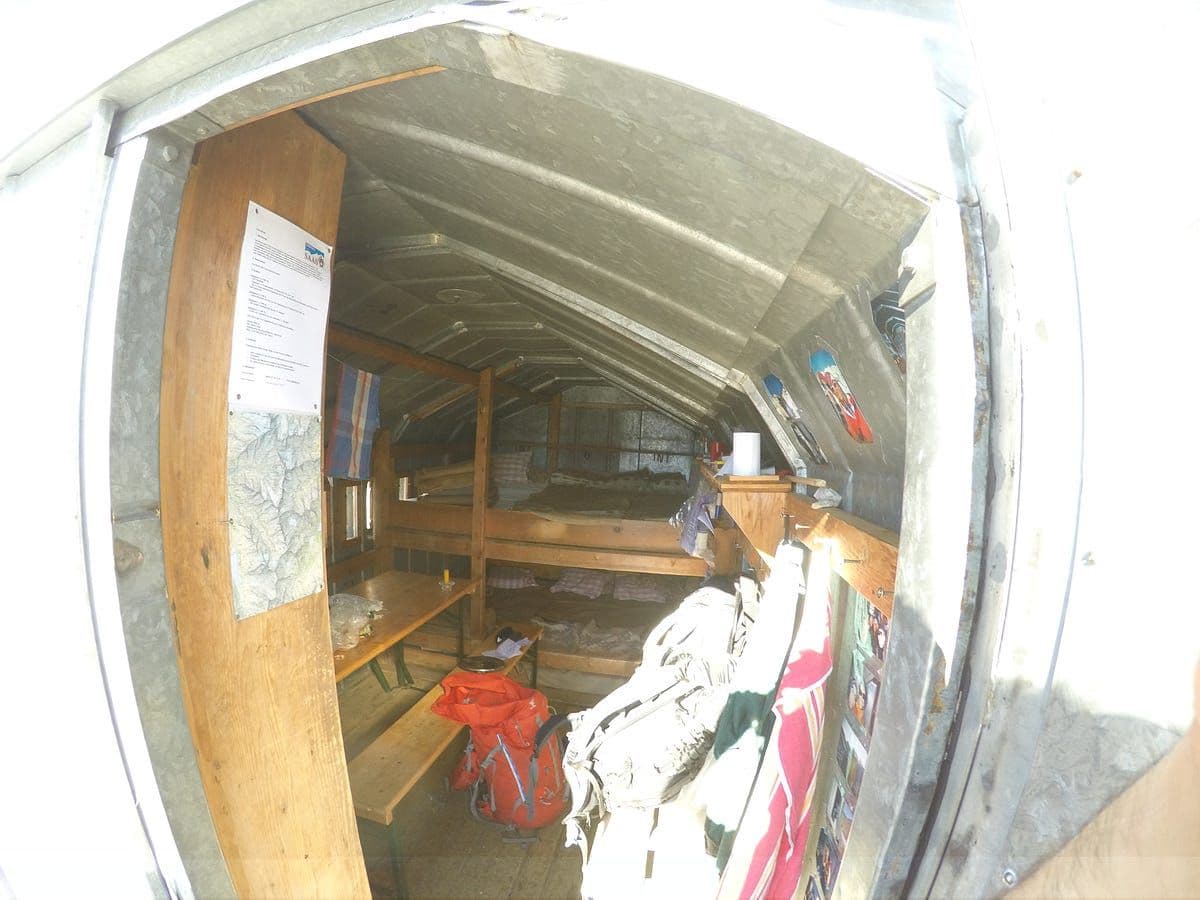
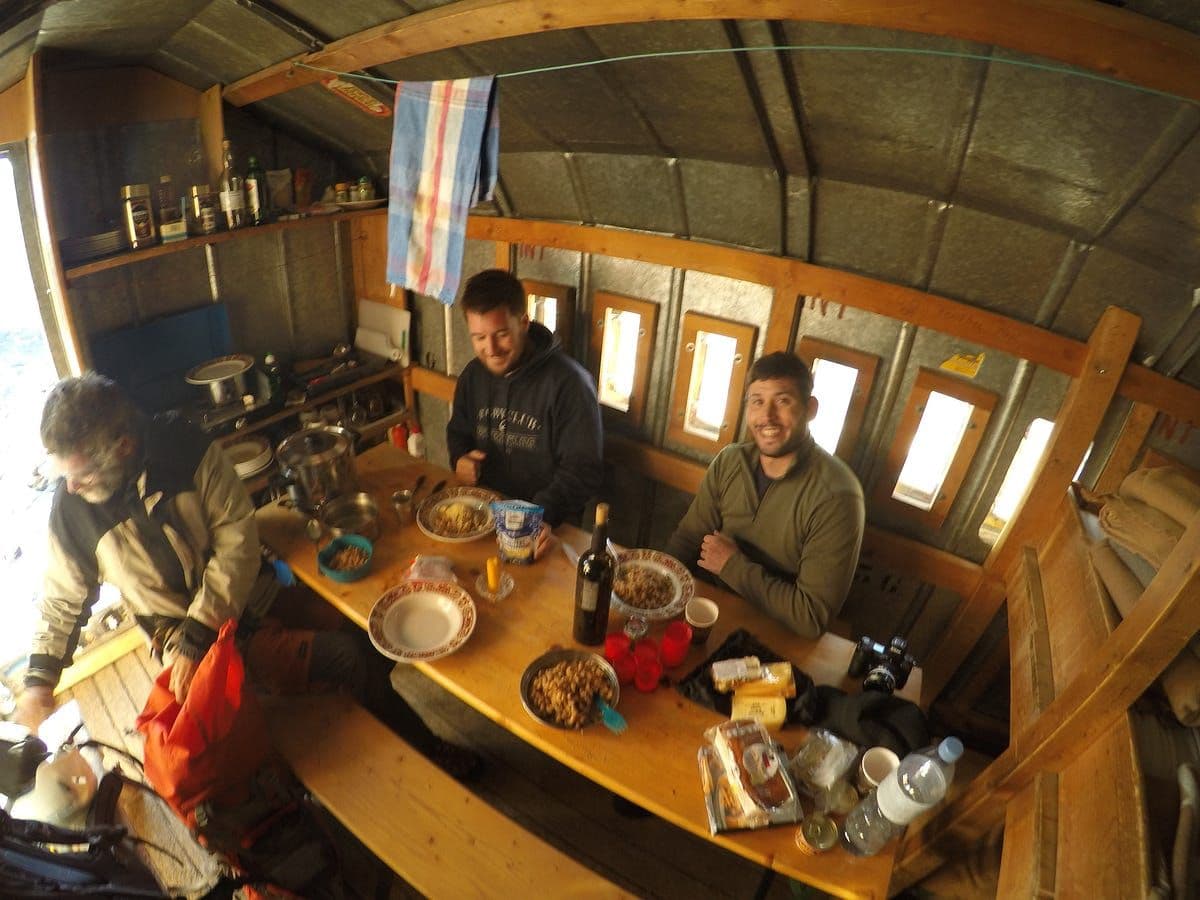
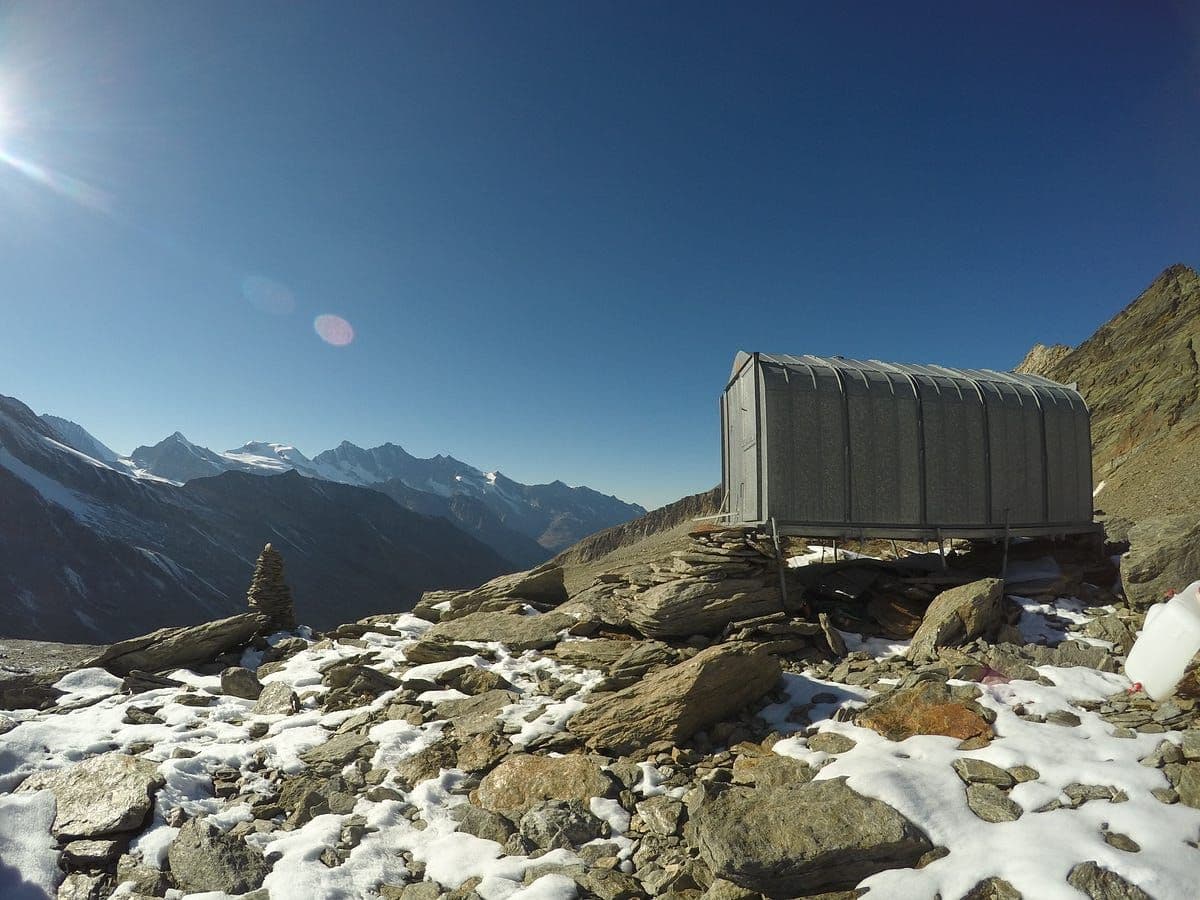
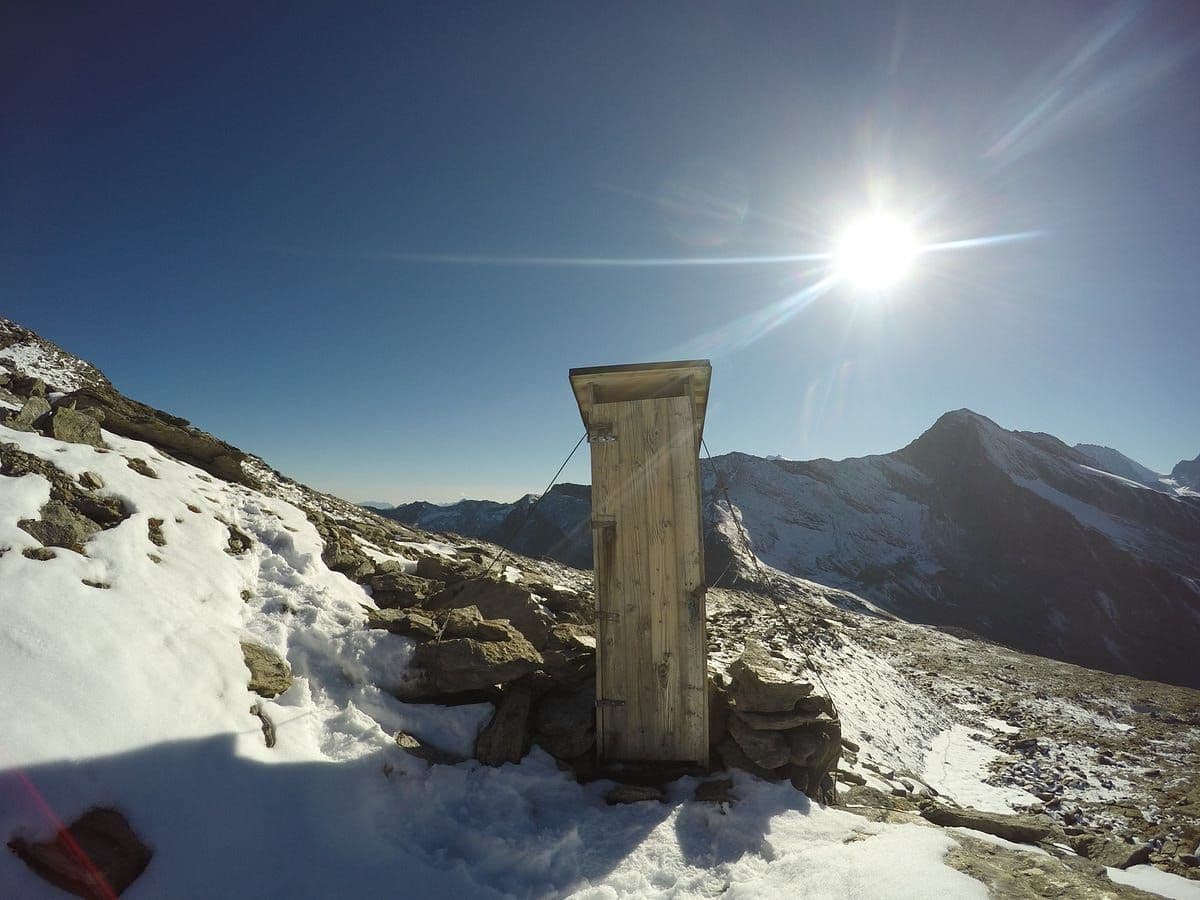
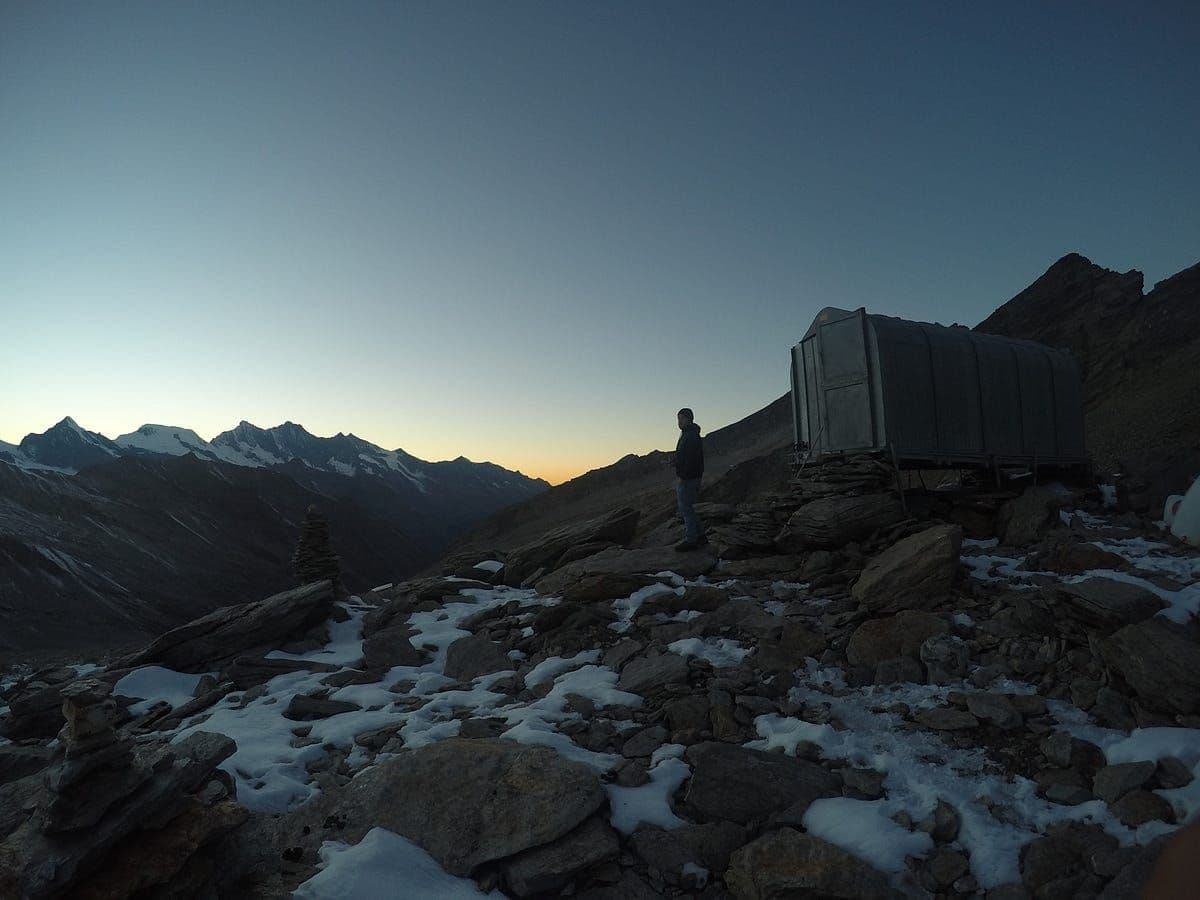
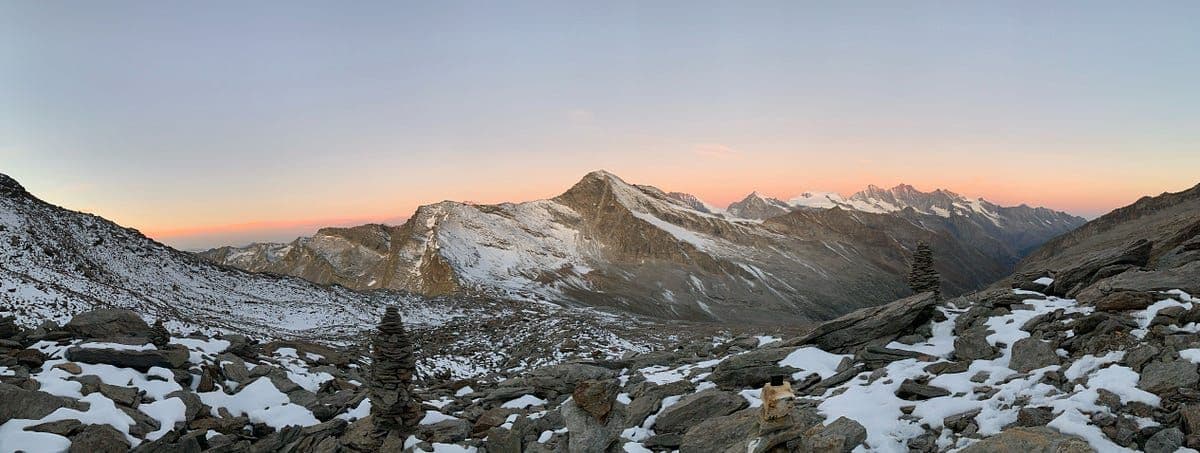
The hut is quite basic and has space for six people. You can explore the nearby ridgeline and even cross over into Italy — the hut is just a few hundred meters from the border. There’s some gas for cooking, but I usually bring my own along with a Jetboil, just in case.
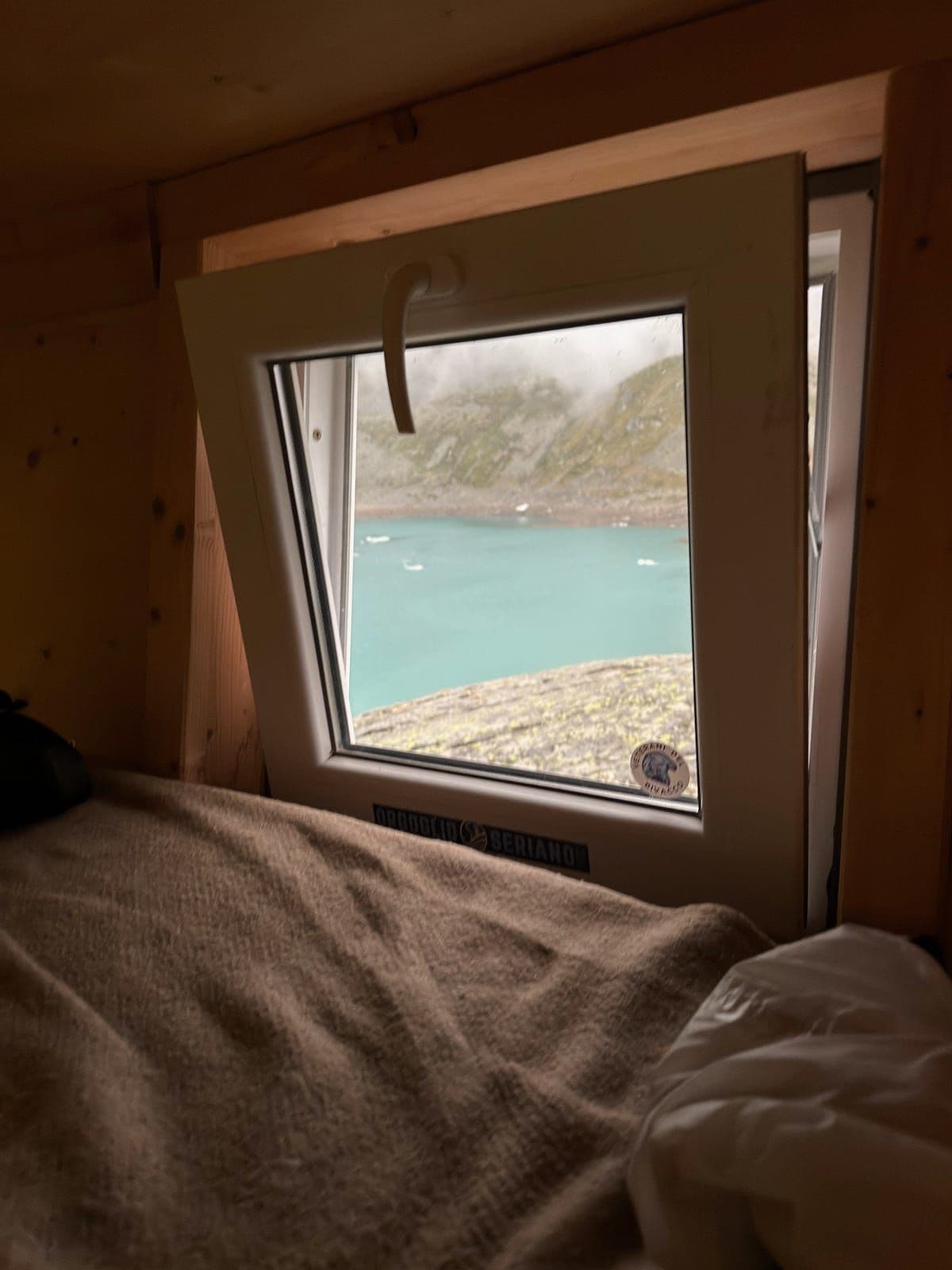
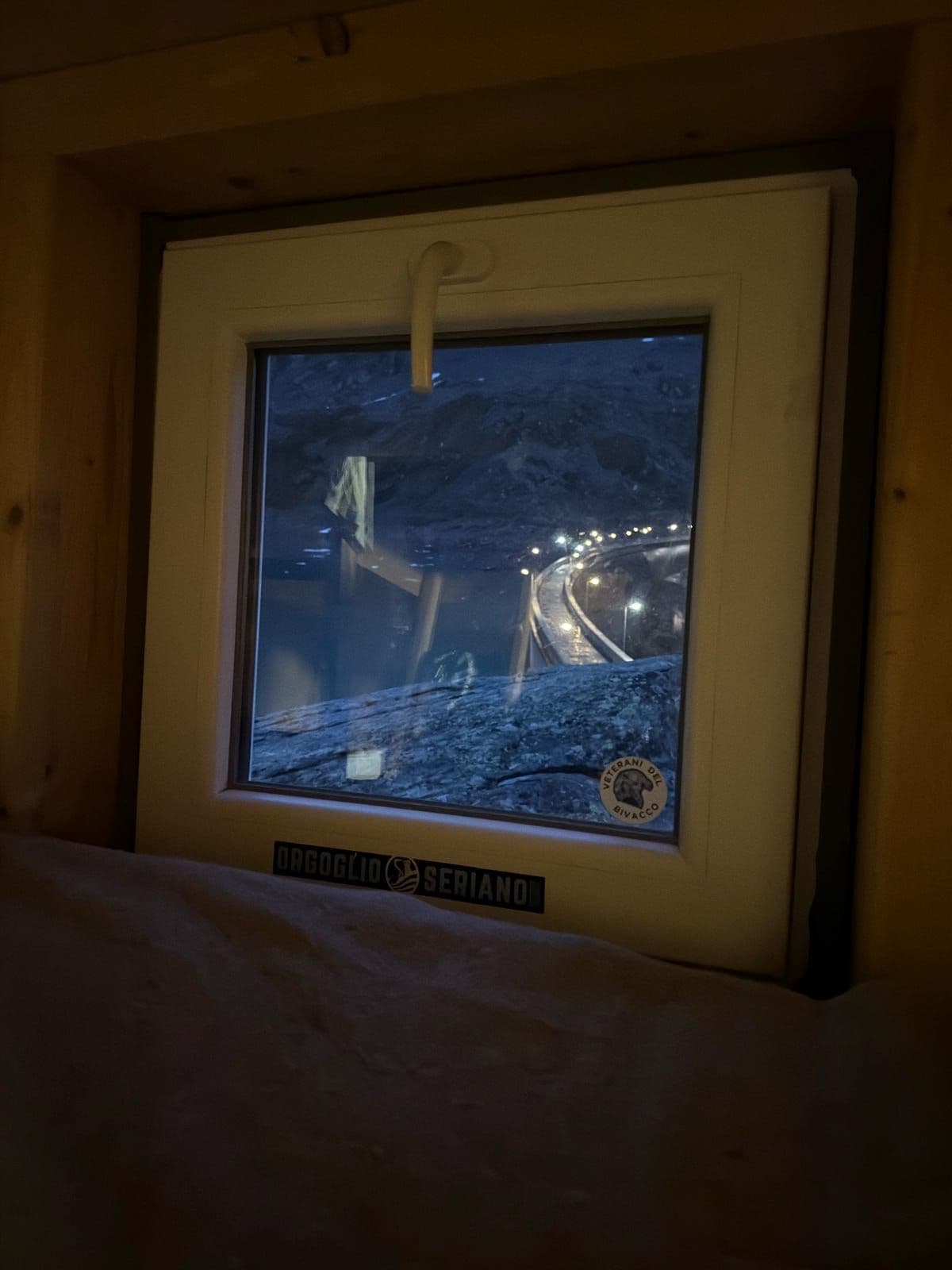
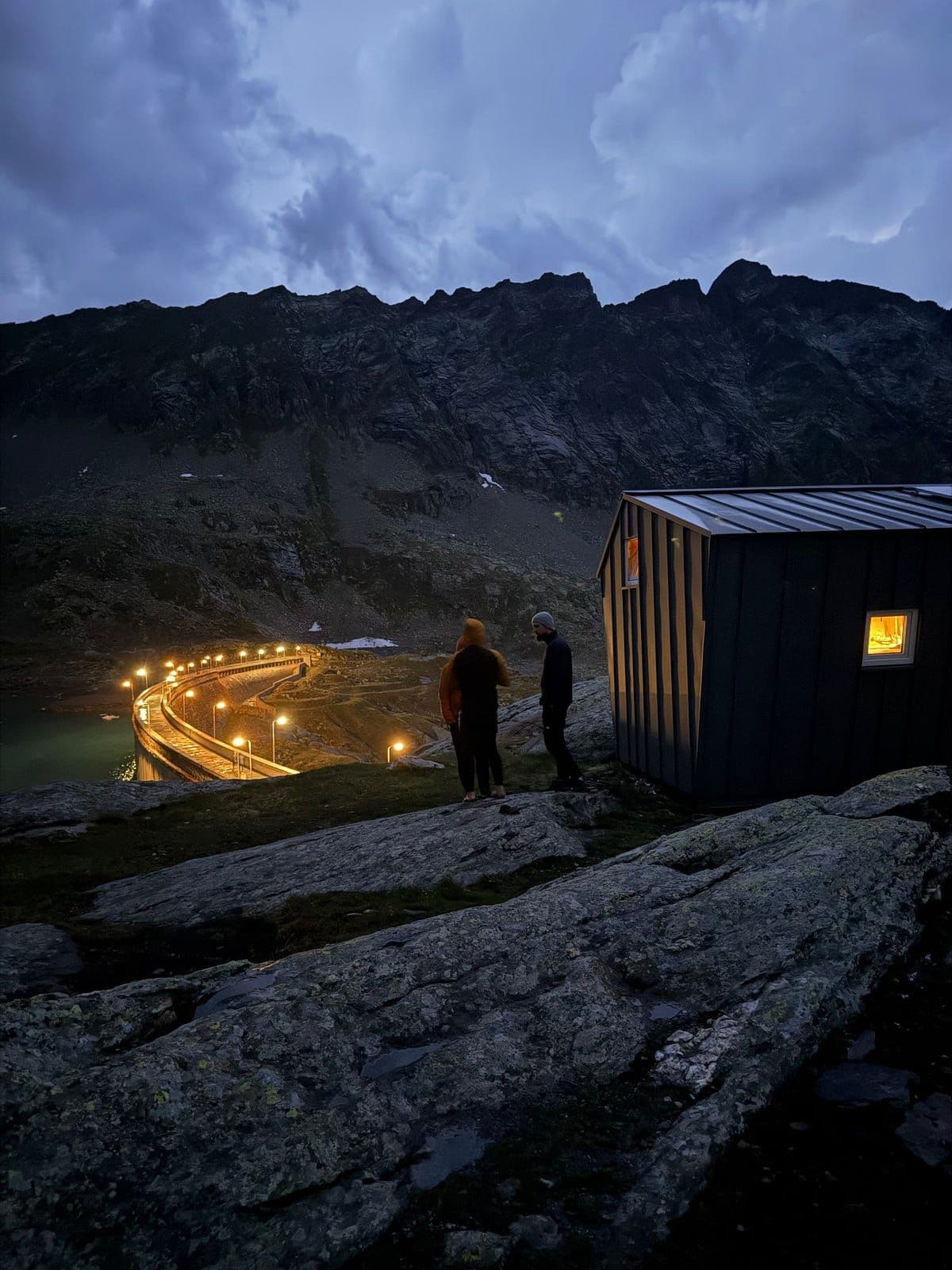
Bivacco Camposecco This one takes you over the border into Italy, so you might want to plan a few days in the region. We drove from Zurich, and it took us about four hours to get to the starting point — then another six hours of hiking to reach the hut. We were pretty tired and definitely didn’t expect it to take that long.
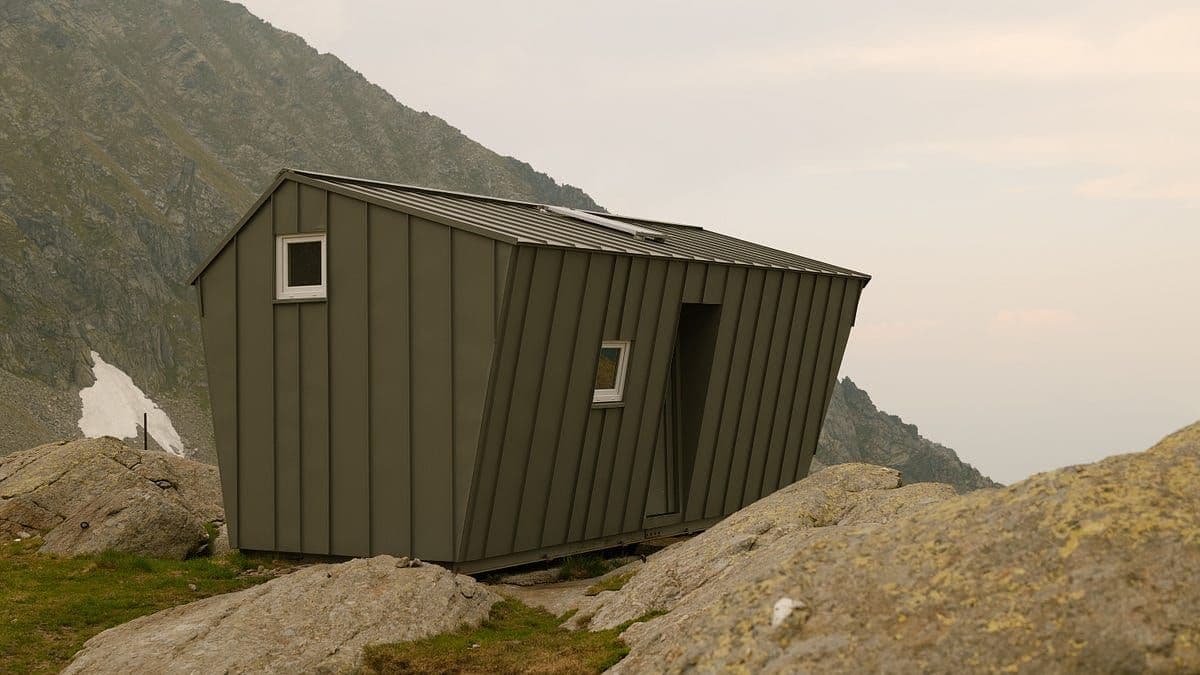
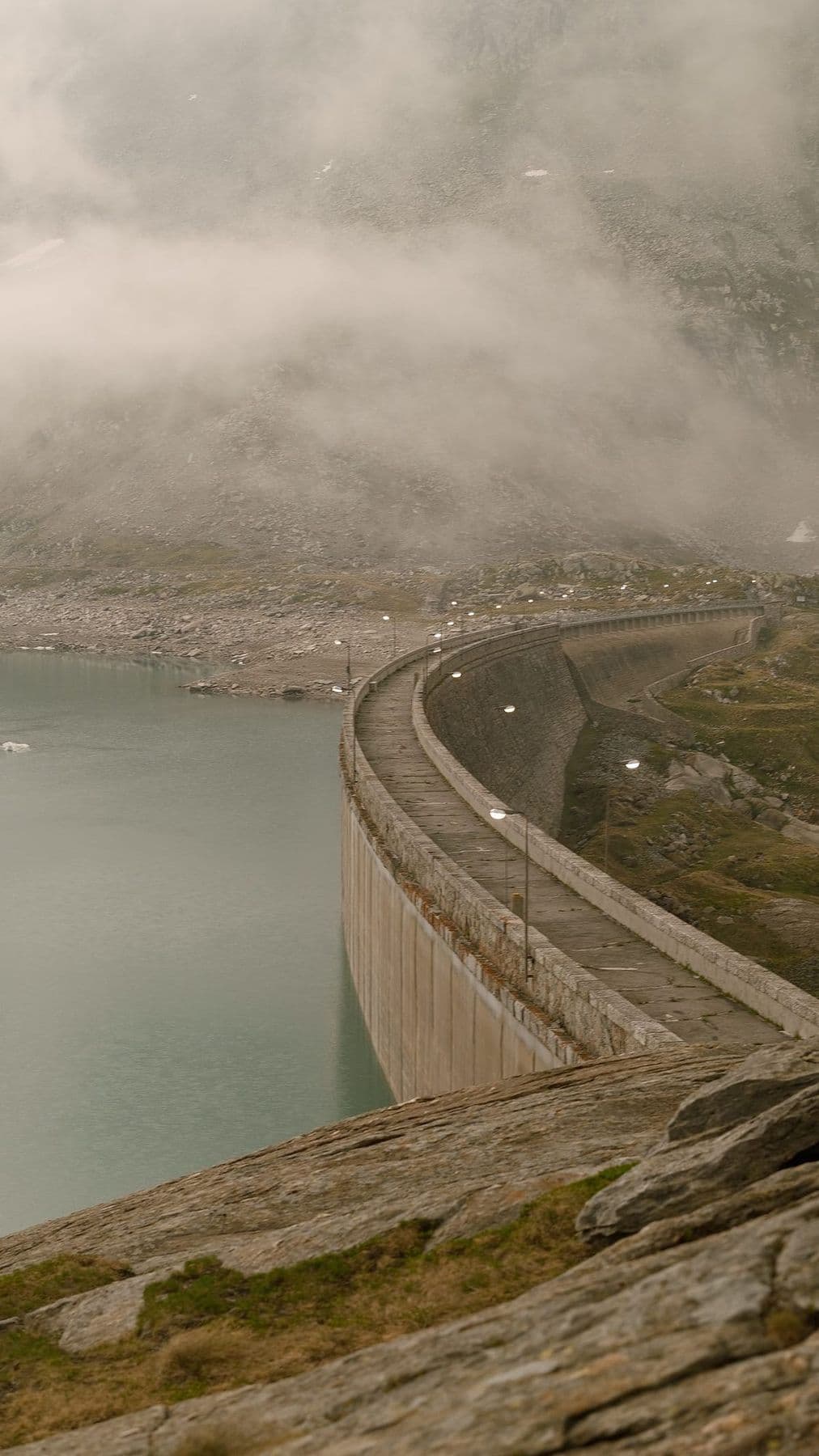
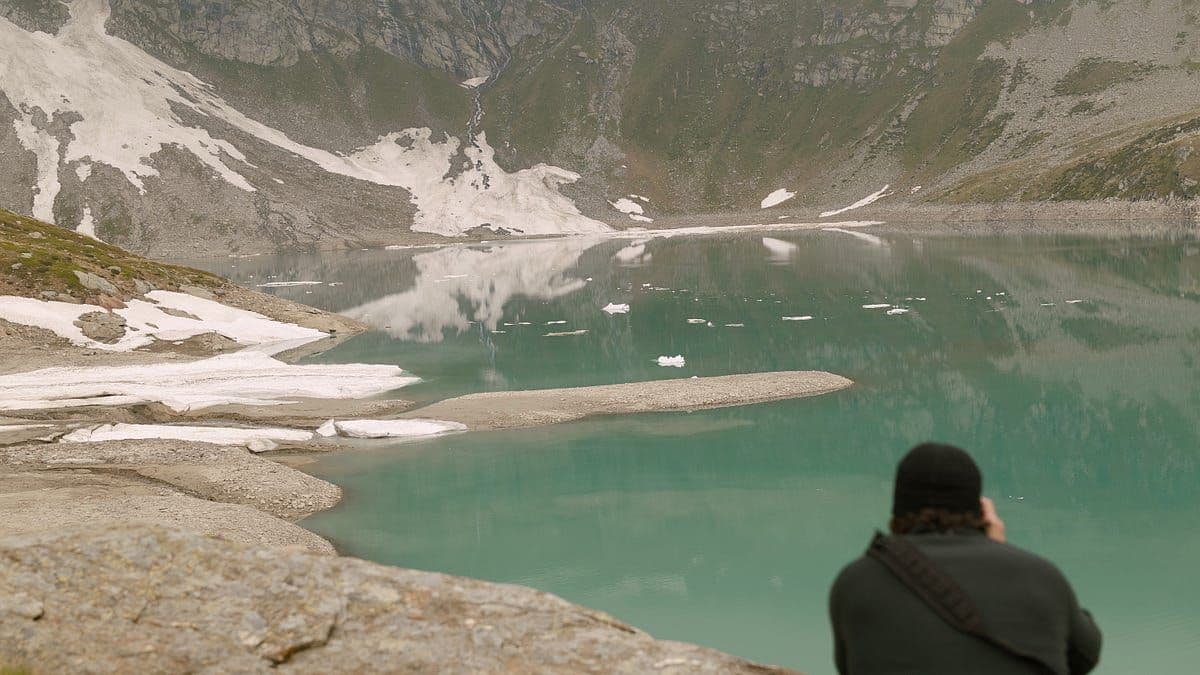
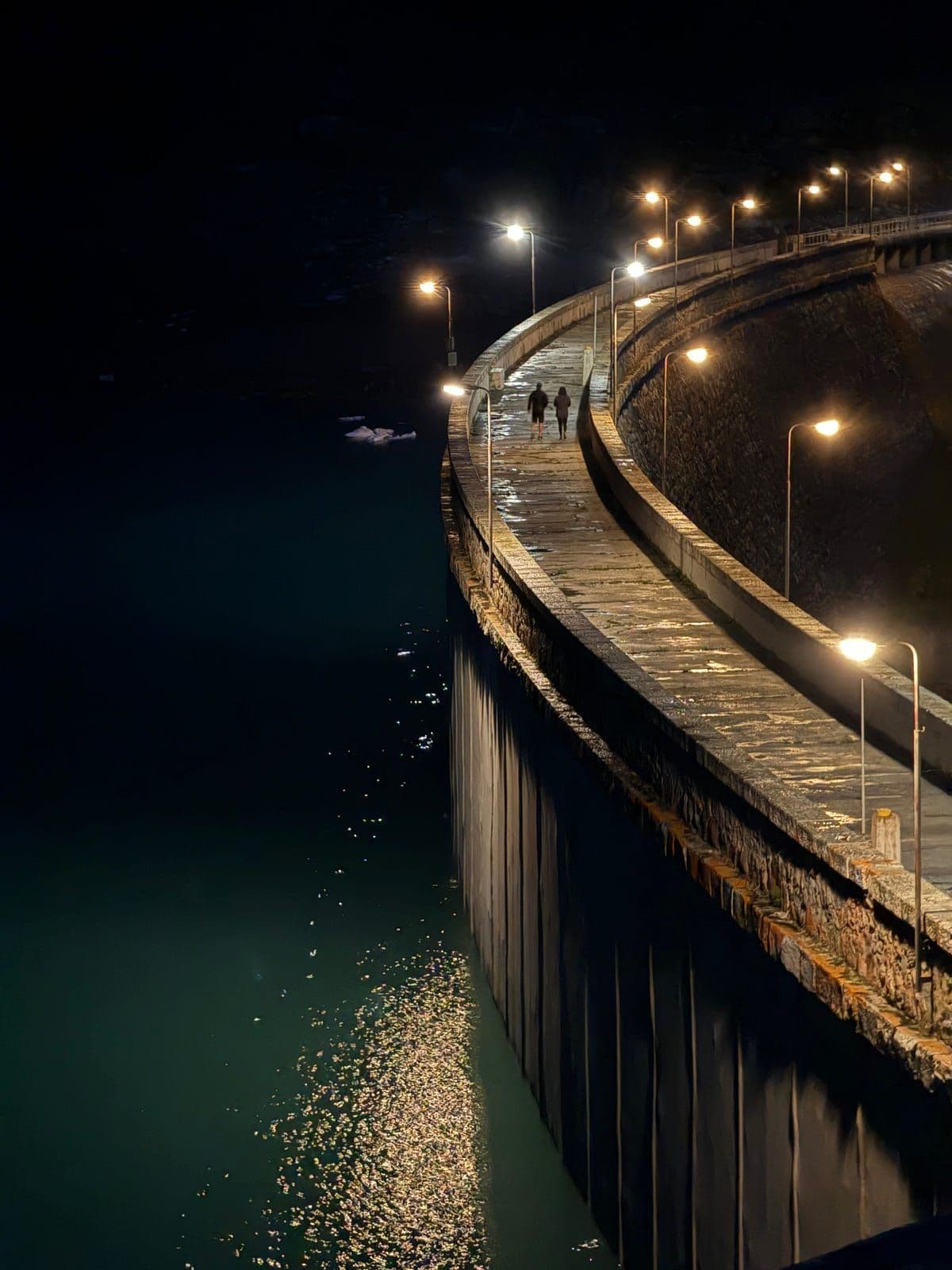
We had the hut to ourselves, and it was incredibly beautiful and peaceful. The lovely gentleman working at the dam even came over to join us for some tea and brought us fresh bread (I’d forgotten the bread in the car — an essential ingredient for the fondue we brought with us).
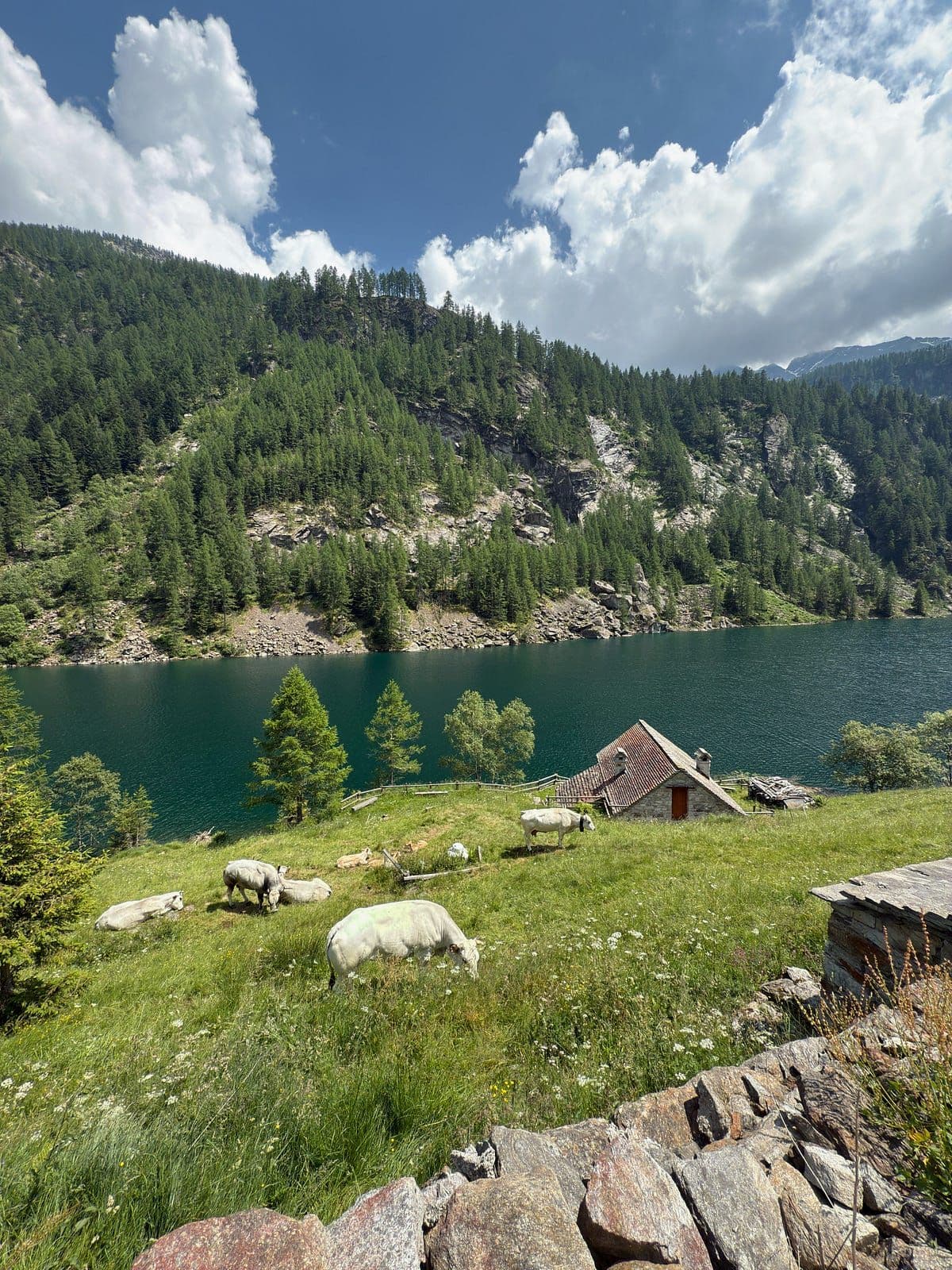
That’s all I’ve got for now. If people are interested, I’ll share more (I have about 20 more hikes to write about). But if you’re looking for some great hikes, you’ve already got a solid starting point here.
Thanks for reading, and happy hiking!